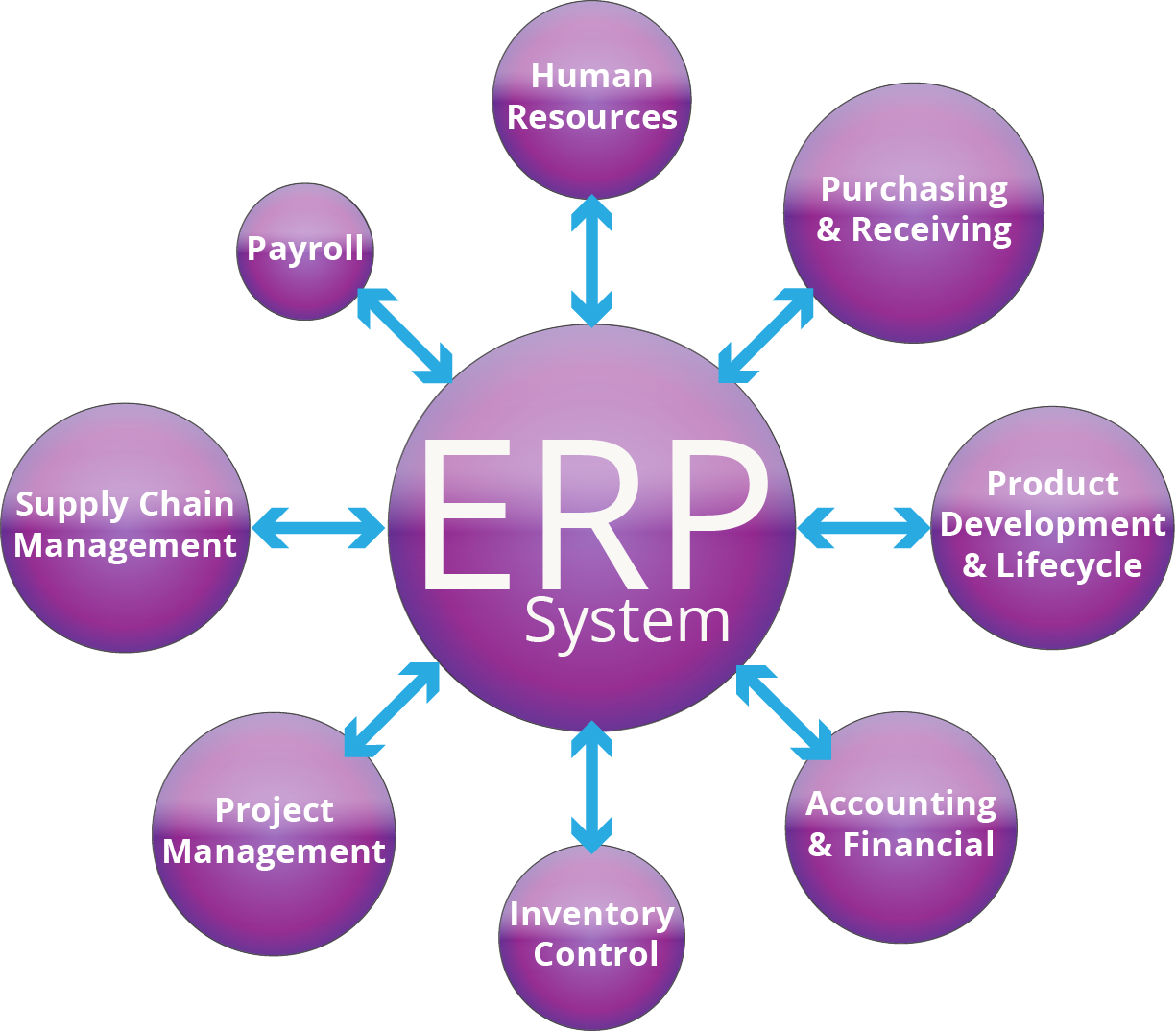
Welcome to the world of Sage ERP pricing! If you’re considering implementing Sage ERP for your business, it’s important to understand the costs involved. From software licenses to implementation fees, there are various factors that determine the overall price of integrating Sage ERP into your operations. In this article, we’ll dive into the different aspects of Sage ERP pricing so you can make an informed decision for your company’s needs.
Sage ERP Pricing Options
When it comes to Sage ERP pricing, there are several options for businesses to choose from. The pricing of Sage ERP software is typically based on a few key factors such as the number of users, the modules required, and the level of customization needed. Here, we will discuss the different pricing options available for Sage ERP software.
The first pricing option for Sage ERP software is the subscription-based model. With this model, businesses pay a monthly or annual fee to use the software. This can be a cost-effective option for businesses that want to spread out the cost of the software over time. The subscription model often includes updates and support, making it a popular choice for businesses looking for a hassle-free solution.
Another pricing option for Sage ERP software is the perpetual license model. With this model, businesses pay a one-time fee to purchase the software outright. This can be a good option for businesses that want to own the software and have more control over its implementation. However, businesses will typically need to pay additional fees for updates and support with this model, making it a potentially more expensive option in the long run.
Businesses can also choose to customize their Sage ERP software, which can impact the pricing. Customization can involve adding specific modules, integrating with other software systems, or developing unique features tailored to the business’s needs. The cost of customization will vary depending on the complexity of the changes required. Businesses should consider the additional cost of customization when choosing their pricing model.
Some Sage ERP software providers offer tiered pricing based on the size of the business. This can be a cost-effective option for businesses that are just starting out or have a small number of users. The pricing tiers typically offer different levels of functionality and support, allowing businesses to choose the option that best fits their needs and budget.
Finally, businesses can opt for add-on modules to enhance the functionality of their Sage ERP software. These modules can provide additional features such as advanced reporting, e-commerce integration, or inventory management. Businesses should consider the cost of these add-ons when determining their overall budget for the software.
In conclusion, Sage ERP software offers businesses a range of pricing options to choose from. Whether businesses prefer a subscription-based model, perpetual license, customization, tiered pricing, or add-on modules, there is a pricing option that can fit their needs and budget. It is essential for businesses to carefully consider their requirements and budget when selecting a pricing model for Sage ERP software.
Factors Affecting Sage ERP Pricing
When it comes to pricing for Sage ERP software, there are several factors that can influence the overall cost. One of the main factors is the size and complexity of your business. Larger businesses with more employees and multiple locations may require a more robust ERP system with advanced features, which can drive up the cost. On the other hand, smaller businesses with fewer users and simpler needs may be able to get by with a more basic ERP package at a lower price point.
Another important factor that can affect Sage ERP pricing is the level of customization required. If your business has unique processes or specific industry requirements that need to be addressed by the ERP system, customization may be necessary. This can involve additional development work and integration with other systems, which can add to the overall cost of the software.
Additionally, the licensing model you choose can impact the price of Sage ERP software. Some vendors offer subscription-based pricing, where you pay a monthly or annual fee for access to the software, while others may offer perpetual licensing, where you make a one-time payment for the software and own it indefinitely. The pricing structure you choose can have a significant impact on the total cost of ownership over time.
Integration with other systems is another factor that can affect Sage ERP pricing. If your business already uses other software applications that need to be integrated with the ERP system, this can add to the complexity of the implementation and drive up the cost. Integration may require additional development work or the use of third-party tools, all of which can add to the overall price.
Lastly, the level of support and training required can also impact the cost of Sage ERP software. If your team needs extensive training to use the system effectively or if you require ongoing support for troubleshooting and maintenance, this can add to the overall cost. Some vendors offer different levels of support packages, with higher levels of support costing more.
In conclusion, there are several factors that can influence the pricing of Sage ERP software. The size and complexity of your business, level of customization required, licensing model chosen, integration with other systems, and level of support and training needed all play a role in determining the final cost. By carefully considering these factors and working with a trusted vendor, you can ensure you are getting the best value for your investment in Sage ERP software.
Sage ERP Cost Analysis
When considering the pricing of Sage ERP software, it’s essential to conduct a thorough cost analysis to ensure that you are making an informed decision. This analysis involves evaluating not only the initial investment required to implement Sage ERP but also the long-term costs associated with using the software.
One of the primary factors to consider when analyzing the cost of Sage ERP is the licensing fees. Sage ERP offers both subscription-based pricing and perpetual license options. Subscription-based pricing typically involves a monthly or annual fee, while perpetual licenses require a one-time payment. Depending on your budget and preferences, you will need to determine which pricing model is the most cost-effective for your business.
In addition to licensing fees, you should also consider the implementation costs associated with Sage ERP. This includes expenses related to training your employees on how to use the software, as well as hiring consultants to help with the installation and customization process. These costs can vary depending on the size and complexity of your business, so it’s essential to budget accordingly.
Another important aspect of cost analysis is ongoing maintenance and support fees. Sage ERP software requires regular updates and maintenance to ensure optimal performance, which may incur additional costs. Additionally, you may need to pay for technical support services to troubleshoot any issues that arise while using the software. These ongoing expenses should be factored into your budget to avoid any unexpected financial burdens.
When conducting a cost analysis of Sage ERP, it’s also crucial to consider the potential return on investment (ROI) that the software can provide. By automating and streamlining your business processes, Sage ERP can help improve efficiency, reduce errors, and increase productivity. These benefits can lead to cost savings and revenue growth over time, making the initial investment in Sage ERP worthwhile.
In conclusion, conducting a thorough cost analysis of Sage ERP pricing is essential for making an informed decision about whether the software is the right choice for your business. By considering factors such as licensing fees, implementation costs, ongoing maintenance, and ROI, you can determine the true value of Sage ERP and decide whether it aligns with your budget and needs.
Comparing Sage ERP Packages
When considering Sage ERP pricing, it’s important to understand the different packages available and the features offered in each one. Sage offers a range of ERP solutions tailored to the specific needs of different businesses, from small startups to large enterprises. Here, we will compare some of the key features and pricing points of the most popular Sage ERP packages: Sage 100, Sage 300, and Sage X3.
Sage 100, formerly known as Sage 100c, is designed for small to medium-sized businesses looking for a comprehensive ERP solution. This package includes modules for accounting, distribution, manufacturing, and more. The pricing for Sage 100 starts at around $25 per user per month, making it a cost-effective option for smaller companies. However, additional modules and features may come at an extra cost.
Sage 300, previously known as Sage 300c, is targeted towards mid-sized businesses with more complex requirements. This package offers advanced features such as multi-currency support, global inventory management, and business intelligence tools. The pricing for Sage 300 typically starts at around $50 per user per month, with add-on modules available for an additional fee.
Finally, Sage X3 is the most robust ERP solution offered by Sage, aimed at larger enterprises with sophisticated operational needs. Sage X3 provides powerful features such as advanced financial management, supply chain optimization, and CRM integration. The pricing for Sage X3 can vary greatly depending on the size and complexity of the implementation, but it typically starts at around $70 per user per month.
When comparing the three Sage ERP packages, it’s important to consider not only the initial pricing but also the long-term costs associated with each solution. Businesses should evaluate their current and future requirements to determine which package offers the best value for their needs. Additionally, companies should also take into account factors such as scalability, customization options, and vendor support when choosing an ERP solution.
In conclusion, Sage offers a range of ERP packages to suit businesses of all sizes and industries. Whether you’re a small startup or a large enterprise, there is likely a Sage ERP solution that fits your needs. By comparing the features and pricing of Sage 100, Sage 300, and Sage X3, businesses can make an informed decision on which package is the best fit for their organization.
Tips for Negotiating Sage ERP Pricing
When it comes to negotiating Sage ERP pricing, there are certain tips and strategies that can help you get the best deal possible for your business. Here are some key points to keep in mind during the negotiation process:
1. Do Your Research: Before entering into negotiations with Sage or any ERP provider, it’s important to do your homework. Research the market rates for similar ERP systems and gather information on the pricing structures of other vendors. This will give you a baseline for comparison and help you understand what a fair price looks like.
2. Understand Your Needs: Before negotiating pricing, make sure you have a clear understanding of your business requirements and which features are essential for your operations. This will help you avoid paying for unnecessary functionalities and ensure that you are getting the most value for your investment.
3. Be Prepared to Walk Away: One of the most effective negotiation tactics is to be willing to walk away from the table if the pricing isn’t right. By showing that you have other options and are not desperate, you can often leverage a better deal from the vendor.
4. Bundle Services: Another strategy for negotiating Sage ERP pricing is to bundle additional services or modules with your purchase. By bundling, you can often secure a discount on the overall price and get more value for your money. Just make sure that the additional services are actually useful to your business.
5. Ask for Discounts or Promotions: Don’t be afraid to ask for discounts or promotions during the negotiation process. Many ERP vendors, including Sage, are willing to offer special deals or discounted rates to win new customers. You may be able to negotiate a lower price, reduced implementation fees, or even free training sessions as part of your contract.
Remember, the key to successful negotiation is to be prepared, know your worth, and be willing to stand your ground. By following these tips and strategies, you can increase your chances of securing a favorable deal on Sage ERP pricing for your business.
Originally posted 2025-06-28 05:00:00.