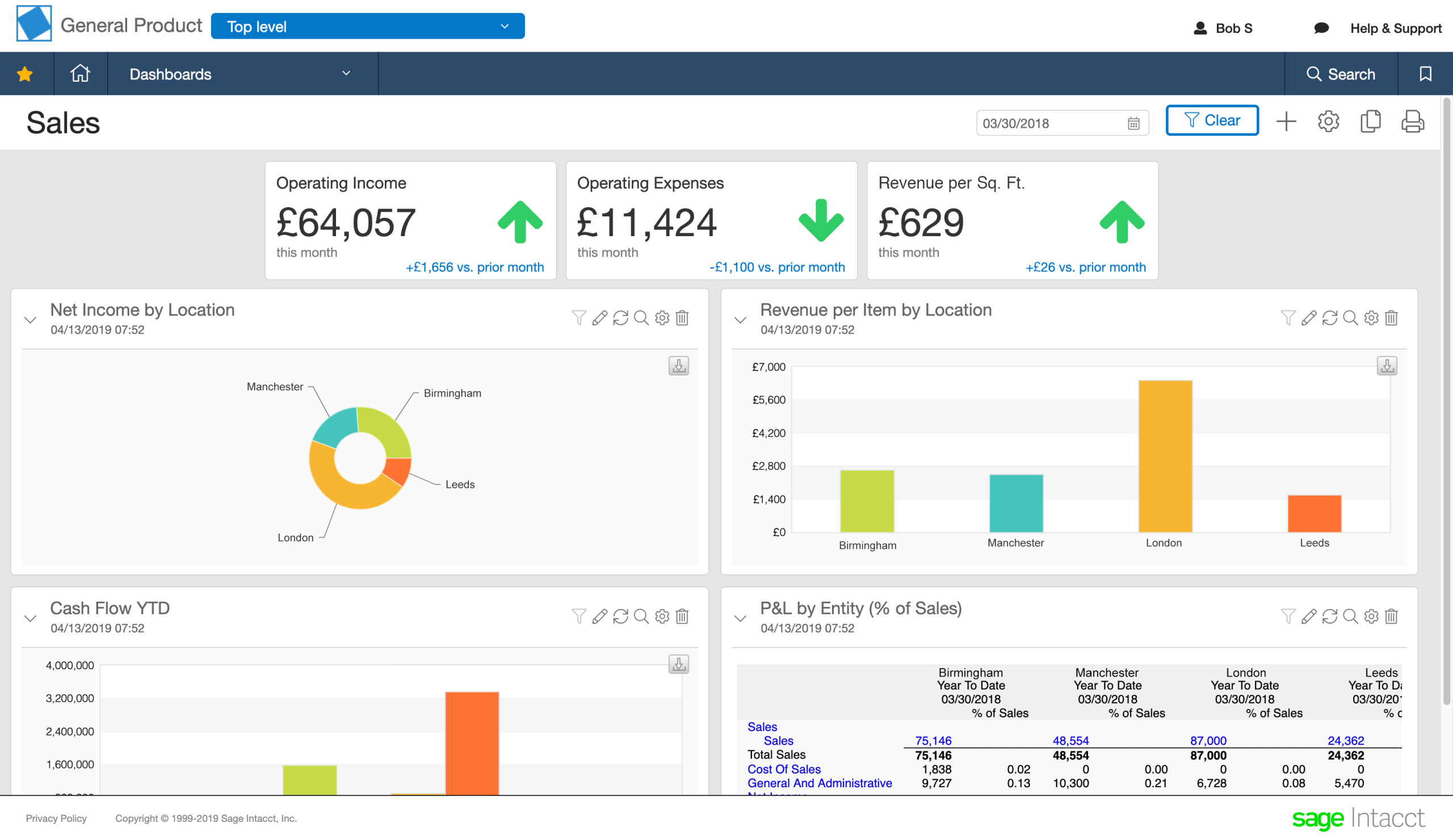
Welcome, fellow business owner! If you’re in the market for an Enterprise Resource Planning (ERP) system for your company, you’ve come to the right place. Navigating through the myriad of options can be overwhelming, but fear not! In this article, we will provide you with an essential ERP requirements checklist to help streamline your decision-making process. From inventory management to financial reporting, we’ve got you covered. Let’s dive in and ensure your business is equipped with the best ERP solution for success.
Understanding the Importance of an ERP Requirements Checklist
When it comes to implementing an ERP system for your business, having a thorough ERP requirements checklist is essential. This checklist serves as a roadmap for your organization, outlining the specific needs and objectives that the ERP system must meet. By having a detailed checklist in place, you can ensure that all stakeholders are on the same page and that the implementation process runs smoothly.
One of the key benefits of having an ERP requirements checklist is that it helps you clearly define your business needs. Before selecting an ERP system, it is important to assess your current business processes and identify areas that need improvement. By documenting your requirements in a checklist, you can prioritize the features and functionalities that are critical to your operations.
Furthermore, an ERP requirements checklist helps in evaluating different ERP vendors and their offerings. With a comprehensive checklist in hand, you can compare various ERP systems based on their ability to meet your specific requirements. This ensures that you select an ERP solution that aligns with your business objectives and provides the necessary functionalities to support your operations.
In addition, an ERP requirements checklist plays a crucial role in project management. By defining your requirements upfront, you can set clear expectations for the implementation team and ensure that the project stays on track. The checklist acts as a reference point throughout the implementation process, helping to keep everyone focused on the end goal.
Another important aspect of an ERP requirements checklist is that it helps in identifying potential risks and challenges. By documenting your requirements in detail, you can uncover any gaps or discrepancies that may pose a threat to the success of the implementation. This allows you to address these issues proactively and develop mitigation strategies to minimize any negative impact.
Ultimately, an ERP requirements checklist serves as a foundation for successful ERP implementation. It provides a structured approach to identifying and prioritizing your business needs, evaluating ERP vendors, managing the project effectively, and mitigating risks. By investing time and effort in creating a comprehensive checklist, you can ensure that your ERP system meets the specific requirements of your organization and drives business growth.
Key Components to Include in Your ERP Requirements Checklist
When creating an ERP requirements checklist, it is important to consider a variety of key components to ensure that the software meets the needs of your organization. While every company will have unique requirements, there are some common elements that should be included in your checklist to help guide your decision-making process.
1. Business Needs Assessment: Before diving into the specifics of ERP software features, it is crucial to conduct a thorough assessment of your organization’s business needs. This should include a review of current processes, pain points, and goals for the future. By understanding what is working well and what needs improvement, you can better identify the requirements that are essential for your ERP system.
2. Scalability: One important component to consider in your ERP requirements checklist is scalability. As your business grows and evolves, your ERP system should be able to accommodate this growth without requiring a complete overhaul. It is essential to choose software that can scale with your organization, whether that means adding new users, integrating new modules, or expanding into new markets.
When evaluating the scalability of an ERP system, consider factors such as the ability to add new modules or features, support for multiple users and locations, and the capacity to handle increased data volume. Look for software that offers flexibility and customization options to ensure that it can grow with your business over time.
3. Integration Capabilities: Another key component to include in your ERP requirements checklist is integration capabilities. In today’s interconnected business environment, it is essential that your ERP system can seamlessly integrate with other software applications and systems that are critical to your operations. This may include accounting software, CRM tools, e-commerce platforms, and more.
When evaluating integration capabilities, consider factors such as the ease of integration, the availability of pre-built connectors or APIs, and the compatibility with existing systems. Look for an ERP system that offers robust integration capabilities to help streamline your processes and improve efficiency across your organization.
4. Reporting and Analytics: A strong reporting and analytics functionality is another important component to consider in your ERP requirements checklist. The ability to generate real-time reports, track key performance indicators, and analyze data is essential for making informed business decisions and driving strategic growth.
When evaluating reporting and analytics capabilities, consider factors such as the types of reports that can be generated, the level of customization available, and the ease of use of the analytics tools. Look for an ERP system that offers robust reporting and analytics features to help you gain valuable insights into your business performance and drive continuous improvement.
How to Identify Your Company’s Specific ERP Requirements
When it comes to implementing an ERP system for your company, it is crucial to identify and prioritize your specific requirements to ensure that the system meets your business needs. Here are some steps to help you identify your company’s specific ERP requirements:
1. Evaluate your current processes: Take a close look at your existing business processes and workflows to identify areas that could be improved or streamlined with the help of an ERP system. Look for bottlenecks, manual data entry tasks, and any other inefficiencies that could be addressed with automation.
2. Engage key stakeholders: It is important to involve key stakeholders from different departments in the ERP requirements gathering process. This includes representatives from finance, operations, IT, and any other relevant departments. By involving these stakeholders, you can ensure that the system will meet the needs of all users and departments.
3. Conduct a thorough needs assessment: To accurately identify your company’s specific ERP requirements, it is essential to conduct a thorough needs assessment. This involves gathering information from different departments, analyzing current processes and pain points, and defining goals for the new system. Consider factors such as scalability, integration with existing systems, reporting capabilities, and user-friendliness.
When conducting a needs assessment, it is important to ask the right questions to gather relevant information. Some key questions to consider include:
- What are the main challenges and pain points in our current processes?
- What specific features or functionalities are essential for our business operations?
- How many users will need access to the system, and what are their roles and responsibilities?
- What are our short-term and long-term goals for implementing an ERP system?
By asking these questions and involving key stakeholders in the process, you can gather valuable insights to help define your company’s specific ERP requirements.
4. Prioritize your requirements: Not all ERP systems are created equal, and it is unlikely that any system will meet every single one of your requirements. Therefore, it is important to prioritize your requirements based on their importance to your business operations. Identify “must-have” features that are essential for your day-to-day operations, as well as “nice-to-have” features that would be beneficial but are not critical.
5. Consult with ERP vendors: Once you have identified your company’s specific ERP requirements, it is a good idea to consult with ERP vendors to see how their systems align with your needs. Schedule demos, ask for references, and gather information on pricing and implementation timelines to make an informed decision. By engaging with vendors, you can get a better understanding of the available options and find a system that best fits your company’s requirements.
By following these steps, you can effectively identify your company’s specific ERP requirements and ensure that the system you choose will meet your business needs and goals.
Common Mistakes to Avoid When Creating an ERP Requirements Checklist
When creating an ERP requirements checklist, it’s important to be thorough and detail-oriented. However, there are some common mistakes that many companies make when developing their checklist. Here are some key mistakes to avoid:
1. Not Involving Key Stakeholders: One of the biggest mistakes companies make when creating an ERP requirements checklist is not involving key stakeholders in the process. It’s essential to consult with department heads, end-users, and IT professionals to ensure that all relevant perspectives are considered. By including key stakeholders in the process, you can avoid overlooking important requirements and ensure that the chosen ERP system meets the needs of the entire organization.
2. Focusing Too Much on Features: While it’s important to consider the features and functionalities of an ERP system, focusing too much on these aspects can lead to overlooking other critical requirements. It’s essential to also consider factors such as scalability, customization options, integration capabilities, and vendor support when creating your checklist. By taking a holistic approach to defining your requirements, you can ensure that the chosen ERP system meets the long-term needs of your organization.
3. Ignoring Compliance and Security Requirements: Compliance and security are non-negotiable aspects of any ERP system. Failing to consider your organization’s specific compliance requirements and security standards when developing your checklist can lead to serious ramifications down the line. Make sure to include these considerations in your checklist to ensure that the chosen ERP system aligns with your organization’s regulatory requirements and data security needs.
4. Not Prioritizing Future Growth and Scalability: One of the most crucial aspects of creating an ERP requirements checklist is to prioritize future growth and scalability. Many companies make the mistake of only focusing on their current needs, leading to issues when the organization expands and evolves. When developing your checklist, consider factors such as the ability to easily add new users, modules, and functionalities as your organization grows. It’s essential to choose an ERP system that can scale with your business to avoid the need for costly migrations or system replacements in the future.
In conclusion, creating an ERP requirements checklist is a critical step in the ERP selection process. By avoiding these common mistakes and taking a strategic approach to defining your requirements, you can ensure that the chosen ERP system meets the needs of your organization now and in the future.
Ensuring the Success of Your ERP Implementation with a Comprehensive Requirements Checklist
Implementing an ERP system can be a daunting task, but with a comprehensive requirements checklist, you can ensure the success of your implementation. A requirements checklist is a critical tool for guiding your ERP project and ensuring that all necessary elements are considered. By following a checklist, you can avoid common pitfalls and ensure that your ERP system meets your organization’s needs.
When developing your ERP requirements checklist, it’s essential to involve key stakeholders from across your organization. This includes representatives from different departments, such as finance, human resources, and operations. By involving a diverse group of stakeholders, you can ensure that all perspectives are considered and that the ERP system will meet the needs of all users.
One of the most important steps in developing your requirements checklist is to clearly define your organization’s goals and objectives for the ERP system. This will help guide the selection of the right ERP solution and ensure that it aligns with your business strategy. By clearly defining your goals, you can also prioritize your requirements and ensure that the most critical needs are addressed.
Another key aspect of a comprehensive requirements checklist is to consider the integration needs of your ERP system. Your ERP system will need to integrate with existing systems and applications, such as CRM software and accounting systems. By considering these integration needs upfront, you can avoid costly issues later on and ensure that your ERP system operates seamlessly with other systems.
In addition to integration needs, it’s also essential to consider the scalability and flexibility of your ERP system. As your organization grows and changes, your ERP system will need to adapt to new requirements and technologies. By considering scalability and flexibility in your requirements checklist, you can ensure that your ERP system will continue to meet your needs in the long term.
Finally, testing and training are crucial components of a successful ERP implementation. Your requirements checklist should include provisions for thorough testing of the system before go-live, as well as comprehensive training for end users. By including testing and training in your checklist, you can ensure that your ERP system is implemented smoothly and that users are properly prepared to use the system effectively.
Originally posted 2025-06-25 13:00:00.