Welcome to the world of wholesale distribution in the digital age, where efficiency and productivity reign supreme. In today’s fast-paced market, businesses are constantly seeking ways to streamline their operations and stay ahead of the competition. One solution that has been revolutionizing the wholesale distribution industry is the implementation of ERP (Enterprise Resource Planning) software. ERP software solutions offer a comprehensive approach to managing a business’s core processes, from inventory management to customer relations. With the help of ERP software, wholesale distributors can optimize their workflows, reduce costs, and ultimately improve their bottom line.
Key Features of Wholesale Distribution ERP Software
Wholesale distribution ERP software solutions are essential tools for businesses in the distribution industry as they help streamline operations, improve efficiency, and increase profitability. These software solutions come with a wide range of key features that cater specifically to the needs of wholesale distributors.
One of the key features of wholesale distribution ERP software is inventory management. This feature allows businesses to keep track of their inventory levels in real-time, manage stock across multiple locations, and optimize inventory levels to avoid stockouts or overstock situations. With inventory management capabilities, businesses can also set up automated reordering processes, forecast demand accurately, and reduce carrying costs.
Another important feature of wholesale distribution ERP software is order management. This feature enables businesses to process orders efficiently, track order status, and manage customer information. With order management capabilities, businesses can handle complex order workflows, manage backorders, and provide customers with accurate and timely order updates. This feature also integrates with other modules such as inventory management and accounting to ensure seamless order fulfillment processes.
Accounting and financial management are also critical features of wholesale distribution ERP software. These features help businesses track financial transactions, manage cash flow, and generate detailed financial reports. With accounting capabilities, businesses can automate invoicing, reconcile accounts receivable and accounts payable, and monitor profitability. This feature also ensures compliance with accounting standards and regulations, providing businesses with accurate financial data for decision-making.
Additionally, wholesale distribution ERP software comes with customer relationship management (CRM) capabilities. This feature allows businesses to manage customer information, track interactions, and provide personalized service to customers. With CRM, businesses can segment customers, analyze buying behavior, and create targeted marketing campaigns to increase sales. This feature also integrates with other modules such as order management and inventory management to provide a comprehensive view of customer data and improve customer retention.
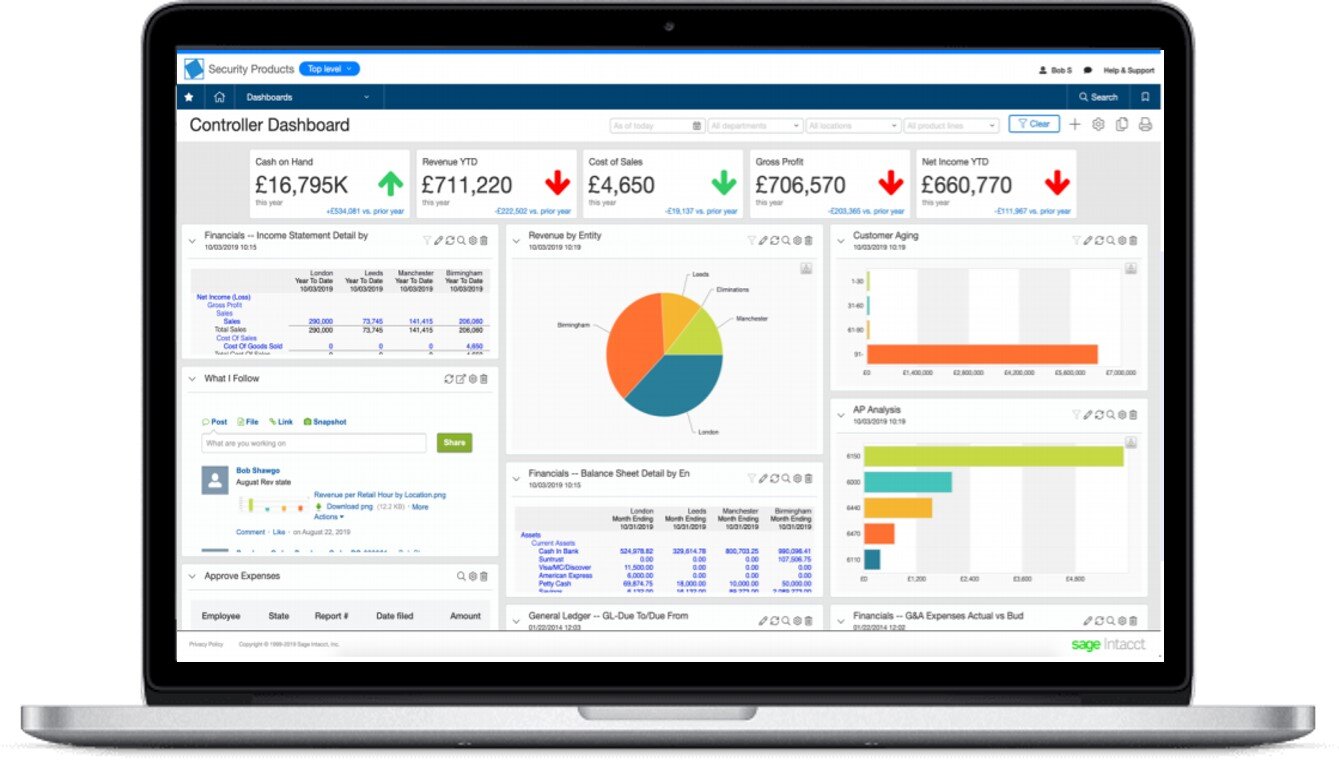
Another key feature of wholesale distribution ERP software is reporting and analytics. This feature provides businesses with real-time insights into their operations, allowing them to make informed decisions and identify areas for improvement. With reporting and analytics capabilities, businesses can generate custom reports, dashboards, and KPIs to monitor performance, track key metrics, and optimize processes. This feature also enables businesses to forecast demand, analyze sales trends, and identify opportunities for growth.
Overall, wholesale distribution ERP software solutions offer a wide range of key features that are essential for businesses in the distribution industry. From inventory management to order processing, accounting, CRM, and reporting, these features help streamline operations, improve efficiency, and drive profitability. By implementing the right ERP software solution, wholesale distributors can stay competitive, meet customer demands, and achieve long-term success in the marketplace.
Benefits of Implementing ERP Software in Wholesale Distribution
Wholesale distribution businesses face a multitude of challenges in today’s competitive market, from managing inventory to maximizing customer satisfaction. Implementing ERP software solutions can bring a host of benefits to these businesses, improving efficiency and driving growth.
One of the key benefits of implementing ERP software in wholesale distribution is improved inventory management. ERP systems provide real-time visibility into inventory levels, allowing businesses to accurately track stock levels, minimize overstocking, and avoid stockouts. This leads to better control over inventory costs and reduces the risk of lost sales due to out-of-stock items.
Another benefit of ERP software for wholesale distribution is streamlined order processing. With integrated order management capabilities, businesses can automate order entry, processing, and fulfillment, saving time and reducing errors. This leads to faster order turnaround times and increased customer satisfaction.
ERP software also offers improved financial management for wholesale distribution businesses. By consolidating financial data in a central system, businesses can gain better insight into their financial performance, monitor cash flow, and streamline financial reporting. This allows businesses to make more informed decisions and improve overall financial health.
Additionally, ERP software can help wholesale distribution businesses enhance customer relationships. By providing a complete view of customer interactions, businesses can better understand customer needs, preferences, and buying patterns. This enables businesses to create personalized marketing campaigns, improve customer satisfaction, and drive repeat business.
Another benefit of ERP software in wholesale distribution is enhanced supply chain management. ERP systems offer tools for managing suppliers, tracking shipments, and optimizing purchasing processes. This leads to improved supplier relationships, reduced lead times, and lower inventory carrying costs.
Lastly, implementing ERP software can help wholesale distribution businesses stay competitive in a rapidly changing market. By automating key business processes, streamlining operations, and improving decision-making, businesses can adapt quickly to market trends, seize new opportunities, and drive growth.
Choosing the Right ERP Solution for Your Wholesale Distribution Business
When it comes to choosing the right ERP solution for your wholesale distribution business, there are several factors to consider. The first step is to assess the specific needs of your business and determine what features are essential for your operations. This could include inventory management, order processing, customer relationship management, financial management, and reporting capabilities.
Next, consider the scalability of the ERP solution. As your business grows, you want to make sure that the software can grow with you. Look for a solution that can handle increased volume and complexity without requiring a complete system overhaul.
Integration capabilities are also crucial when selecting an ERP solution. You want a system that can easily integrate with your existing software and technologies to streamline processes and improve efficiency. Consider how the ERP solution will work with your accounting software, e-commerce platform, and other systems that are critical to your business operations.
Another important factor to consider is the user-friendliness of the ERP solution. Your employees will need to use the software on a daily basis, so it’s essential that the system is intuitive and easy to navigate. Look for a solution that offers training and support to help your team learn how to use the software effectively.
Customization options are also something to keep in mind when selecting an ERP solution. Every wholesale distribution business is different, so you want a system that can be tailored to meet your unique needs. Make sure the software can be customized to fit your industry-specific requirements and workflows.
Lastly, consider the cost of the ERP solution. While you want a system that meets all of your needs, it’s essential to find a solution that fits within your budget. Compare pricing options and consider the long-term value that the software will bring to your business.
By carefully considering these factors, you can choose the right ERP solution for your wholesale distribution business that will help you streamline operations, improve efficiency, and drive growth.
Case Studies of Successful Wholesale Distribution ERP Implementations
When it comes to implementing Wholesale Distribution ERP solutions, success stories can be a great source of inspiration for businesses looking to streamline their operations and improve efficiency. Here are a few case studies of successful Wholesale Distribution ERP implementations:
1. Company A: Company A, a leading wholesale distributor of electronics, decided to implement an ERP solution to better manage its inventory and streamline its supply chain processes. With the help of a reputable ERP provider, Company A was able to customize the software to fit its specific needs and requirements. As a result, Company A saw a significant reduction in inventory carrying costs and lead times, leading to increased profitability and customer satisfaction.
2. Company B: Company B, a distributor of construction materials, was struggling with manual processes and outdated systems that were hindering its growth. After implementing a Wholesale Distribution ERP solution, Company B was able to automate its order processing, inventory management, and financial reporting, resulting in improved visibility and control over its operations. The streamlined processes allowed Company B to reallocate resources more efficiently and focus on expanding its customer base.
3. Company C: Company C, a food and beverage distributor, recognized the need to modernize its operations to keep up with evolving market demands. By partnering with an ERP provider specialized in Wholesale Distribution, Company C was able to implement a comprehensive ERP solution that integrated seamlessly with its existing systems. The new software enabled Company C to optimize its pricing strategies, improve forecasting accuracy, and enhance customer service, ultimately driving growth and profitability.
4. Company D: One of the most notable Wholesale Distribution ERP success stories is that of Company D, a global distributor of healthcare products. Facing increasing competition and margin pressures, Company D turned to ERP software to gain a competitive edge. By leveraging the advanced capabilities of the ERP system, Company D was able to streamline its procurement processes, reduce order fulfillment times, and enhance its customer relationship management. The ERP solution also enabled Company D to track product demand more effectively, leading to better inventory management and cost control. As a result, Company D saw a significant improvement in overall operational efficiency and profitability.
These case studies highlight the diverse benefits that Wholesale Distribution ERP solutions can offer to businesses across different industries. From improved inventory management to streamlined order processing and enhanced customer service, ERP software has the potential to transform the way wholesale distributors operate and drive sustainable growth. By learning from these success stories and adopting best practices, businesses can position themselves for long-term success in an increasingly competitive market.
Trends and Future Developments in Wholesale Distribution ERP Software
As technology continues to advance, wholesale distribution ERP software solutions are also evolving to meet the changing needs of businesses. Here are some of the trends and future developments in wholesale distribution ERP software:
1. Cloud-Based Solutions: One of the biggest trends in wholesale distribution ERP software is the shift towards cloud-based solutions. Cloud-based ERP systems offer greater accessibility, scalability, and cost-effectiveness compared to traditional on-premise solutions. With the ability to access data and tools from anywhere with an internet connection, cloud ERP solutions are becoming increasingly popular among wholesale distributors.
2. Integration with E-Commerce Platforms: As more and more wholesale distributors move their business online, ERP software solutions are integrating with e-commerce platforms to streamline operations. Integrating ERP with e-commerce allows for real-time inventory management, order processing, and customer data synchronization, leading to improved efficiency and customer satisfaction.
3. Mobile Applications: Mobile ERP applications are gaining popularity among wholesale distributors as they offer on-the-go access to important business data and tools. With mobile ERP apps, sales representatives can easily access customer information, submit orders, and track inventory levels from their smartphones or tablets, increasing productivity and enabling better decision-making on the go.
4. Data Analytics and Business Intelligence: Wholesale distribution ERP software solutions are increasingly incorporating advanced data analytics and business intelligence tools to help businesses make informed decisions. With the ability to analyze large amounts of data in real-time, wholesale distributors can identify trends, forecast demand, and optimize inventory levels, leading to increased profitability and competitiveness in the market.
5. Artificial Intelligence and Machine Learning: One of the most exciting future developments in wholesale distribution ERP software is the integration of artificial intelligence (AI) and machine learning technologies. AI and machine learning algorithms can help wholesale distributors automate routine tasks, predict customer behavior, and optimize supply chain operations. By leveraging AI and machine learning capabilities, wholesale distributors can improve efficiency, reduce costs, and deliver a better customer experience.
Originally posted 2025-06-28 20:00:00.