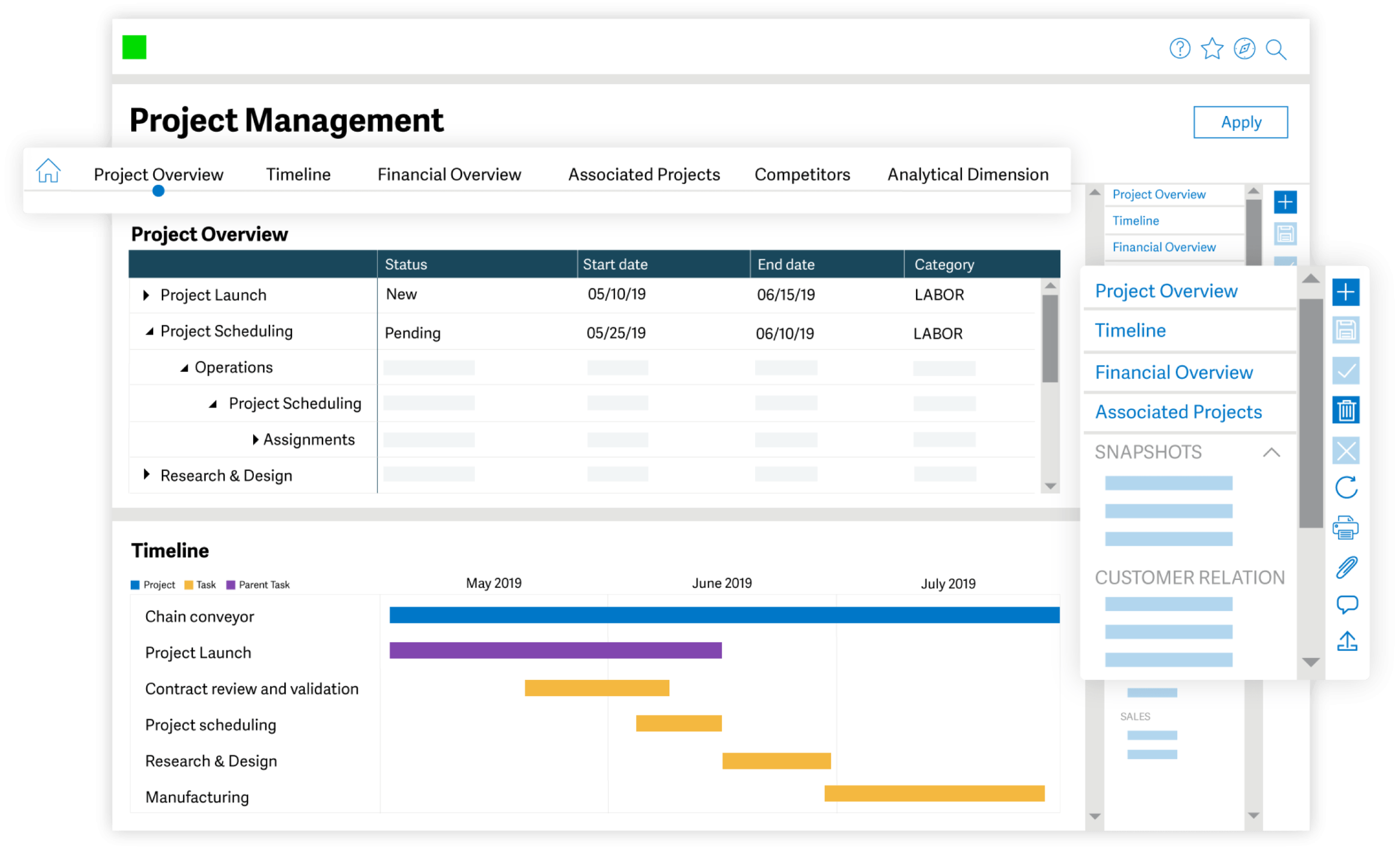
Welcome to our guide on Key ERP Checklist Requirements! Whether you’re a small business looking to streamline your operations or a large corporation seeking to improve efficiency, choosing the right Enterprise Resource Planning (ERP) system is crucial. With so many options available in the market, it can be overwhelming to know where to start. In this article, we will walk you through the essential checklist requirements to consider when evaluating ERP systems, helping you make an informed decision that aligns with your organization’s goals and objectives.
Understanding ERP Systems
ERP (Enterprise Resource Planning) systems are software solutions that help businesses manage all aspects of their operations in a centralized manner. These systems integrate various functions such as HR, finance, supply chain management, manufacturing, and more into a single platform, providing real-time data and insights for decision-making. ERP systems streamline processes, improve efficiency, and drive growth by enabling better coordination and communication across departments.
One of the key benefits of an ERP system is the ability to automate and standardize business processes. By having all departments working within the same software, companies can ensure consistency in data and operations. This leads to reduced errors, improved productivity, and better compliance with regulations. Additionally, ERP systems provide a holistic view of the business, allowing executives to make informed decisions based on accurate and up-to-date information.
Another important aspect of ERP systems is the integration of various modules that cater to different functions within the organization. These modules can be customized to meet the specific needs of the business, enabling companies to manage their unique processes effectively. For example, a manufacturing company may require modules for inventory management, production planning, and quality control, while a service-oriented business may need modules for project management, CRM, and billing.
ERP systems also offer scalability, allowing businesses to adapt and grow without having to invest in new software solutions. As companies expand or diversify their operations, they can easily add new modules or functionalities to their existing ERP system. This flexibility ensures that the software can keep up with the changing needs of the business and support its long-term growth strategy.
In addition to streamlining processes and improving efficiency, ERP systems also facilitate better communication and collaboration within the organization. By providing a centralized platform for data sharing and communication, employees can work more effectively across departments and locations. This leads to faster decision-making, quicker response times, and improved customer service.
Overall, ERP systems are essential tools for modern businesses looking to streamline operations, improve efficiency, and drive growth. By understanding the fundamentals of ERP systems and their benefits, companies can make informed decisions when selecting and implementing an ERP solution that meets their specific requirements.
Industry-Specific Requirements
When considering ERP checklist requirements, it’s essential to take into account the industry-specific needs of your organization. Different industries have unique processes, regulations, and standards that must be met by an ERP system. Here are some key industry-specific requirements to consider:
1. Manufacturing: For manufacturing companies, key ERP checklist requirements include features such as production planning, scheduling, inventory management, quality control, and shop floor automation. These features are crucial for streamlining operations, improving efficiency, and reducing costs in a manufacturing environment. Additionally, integration with CAD/CAM systems and machine monitoring tools may be necessary for seamless production processes.
2. Retail: Retail businesses have unique requirements when it comes to ERP systems. Key features to look for in an ERP checklist for the retail industry include point of sale integration, inventory tracking, demand forecasting, omni-channel capabilities, and customer relationship management tools. These features are essential for managing inventory levels, optimizing sales channels, and providing a seamless shopping experience for customers.
3. Healthcare: In the healthcare industry, ERP systems must comply with strict regulations such as HIPAA and FDA requirements. Key ERP checklist requirements for healthcare organizations include features such as patient data security, electronic health record management, billing and insurance processing, and interoperability with other healthcare systems. These features are essential for ensuring compliance, improving patient care, and streamlining administrative tasks in a healthcare setting.
4. Professional Services: For professional services firms such as consulting agencies, law firms, and marketing companies, key ERP checklist requirements include project management, time tracking, resource planning, and billing integration. These features are crucial for managing client projects, tracking billable hours, and invoicing clients accurately. Additionally, integration with CRM systems may be necessary for managing client relationships and maintaining a competitive edge in the market.
5. Construction: In the construction industry, ERP systems must address the unique needs of project-based businesses. Key ERP checklist requirements for construction companies include features such as project management, job costing, equipment tracking, subcontractor management, and document control. These features are essential for managing complex construction projects, controlling costs, and ensuring compliance with regulations.
By considering industry-specific requirements when creating an ERP checklist, organizations can choose a system that meets their unique needs and helps them achieve their business goals. Whether you’re in manufacturing, retail, healthcare, professional services, construction, or another industry, it’s essential to select an ERP system that aligns with your industry’s specific requirements and processes.
Integration with Existing Systems
One of the most important aspects to consider when selecting an ERP system is how well it can integrate with your existing systems. This is crucial for ensuring smooth operations and eliminating duplicate data entry. The ERP system should be able to seamlessly connect with other software programs and databases that your company currently uses.
First and foremost, you need to determine what systems your ERP software will need to integrate with. This could include accounting software, CRM systems, inventory management tools, and more. Make a list of all the systems that are critical to your business operations and ensure that the ERP software you choose is compatible with them.
When evaluating ERP systems, look for ones that offer out-of-the-box integrations with popular software programs. This will make the integration process much smoother and faster, saving your company time and resources. Additionally, consider whether the ERP system offers APIs or other tools that allow for custom integrations with less common software programs.
Another important factor to consider is the flexibility of the ERP system’s integration capabilities. Your company’s needs may evolve over time, and you want to make sure that the ERP software can adapt to these changes. Look for systems that offer easy customization options and the ability to add new integrations as needed without requiring extensive development work.
It’s also important to consider the level of technical support offered by the ERP vendor for integration issues. Make sure that the vendor has a dedicated support team that can assist with any integration challenges that may arise. This will help minimize downtime and ensure that your systems continue to operate smoothly.
Lastly, don’t forget to consider data security when evaluating integration capabilities. Make sure that the ERP system has robust security features in place to protect sensitive data as it moves between systems. Encryption, access controls, and regular security audits are all important factors to consider when evaluating the security of your integrated systems.
Scalability and Flexibility
When it comes to ERP systems, scalability and flexibility are key factors to consider. Scalability refers to the system’s ability to handle increasing amounts of data and users as your business grows. A scalable ERP system should be able to accommodate additional modules, users, and data without a significant drop in performance.
Flexibility, on the other hand, refers to the system’s ability to adapt to changing business requirements and processes. An ERP system should be flexible enough to be customized and configured to meet the specific needs of your organization. This includes the ability to integrate with other software applications, modify workflows, and add new functionalities as needed.
When evaluating ERP systems, it is important to consider how scalable and flexible they are to ensure that they can support your business both now and in the future. Here are some key factors to consider:
1. Scalability: Look for an ERP system that can easily scale up to accommodate the growth of your business. This includes the ability to add new users, modules, and data without experiencing performance issues. Make sure the system can handle increasing transaction volumes and data processing requirements as your business expands.
2. Flexibility: Choose an ERP system that is flexible enough to adapt to changing business needs. Look for a system that can be easily customized and configured to meet your specific requirements. This includes the ability to modify workflows, add new functionalities, and integrate with other software applications seamlessly.
3. Integration: Consider how well the ERP system integrates with other software applications that your business uses. Look for a system that can easily exchange data with other systems to streamline processes and improve efficiency. This includes integration with accounting software, CRM systems, and e-commerce platforms.
4. Customization: One of the key factors in determining the scalability and flexibility of an ERP system is its level of customization. A highly customizable ERP system allows you to tailor the system to meet your specific needs and requirements. This includes the ability to add new fields, customize reports, and modify workflows to match your business processes.
5. Upgradeability: Finally, consider how easily the ERP system can be upgraded to new versions or releases. Look for a system that offers regular updates and upgrades to ensure that you are always using the latest features and functionalities. An upgradeable ERP system will help future-proof your investment and ensure that your system remains relevant and competitive in the long run.
User Training and Support
When implementing an ERP system, user training and support are crucial aspects to consider in order to ensure a successful transition. Training should be provided to all employees who will be using the system, including end users and administrators. This training should cover not only how to use the ERP software, but also best practices for data input, troubleshooting common issues, and security protocols. It is important to tailor the training to the specific needs of each department or role within the organization, as different users may have different requirements.
Support should also be readily available to users once the ERP system is up and running. This may include a designated help desk or support team, as well as user guides or documentation for reference. Ongoing training and refresher courses should also be provided to ensure that users are able to make the most of the system and stay up to date on any new features or updates. Additionally, having a feedback mechanism in place for users to report issues or suggest improvements can help to continually optimize the system and meet user needs.
One common mistake that organizations make is assuming that once the ERP system is implemented, users will automatically know how to use it effectively. However, without proper training and support, employees may struggle to adapt to the new system and may be resistant to change. This can result in decreased productivity, errors in data entry, and frustration among users.
By investing in comprehensive user training and support, organizations can help to ensure a smooth transition to the new ERP system and maximize the benefits it can provide. This includes not only initial training during the implementation phase, but also ongoing support and resources to help users continue to succeed with the system in the long term.
Originally posted 2025-06-26 11:00:00.