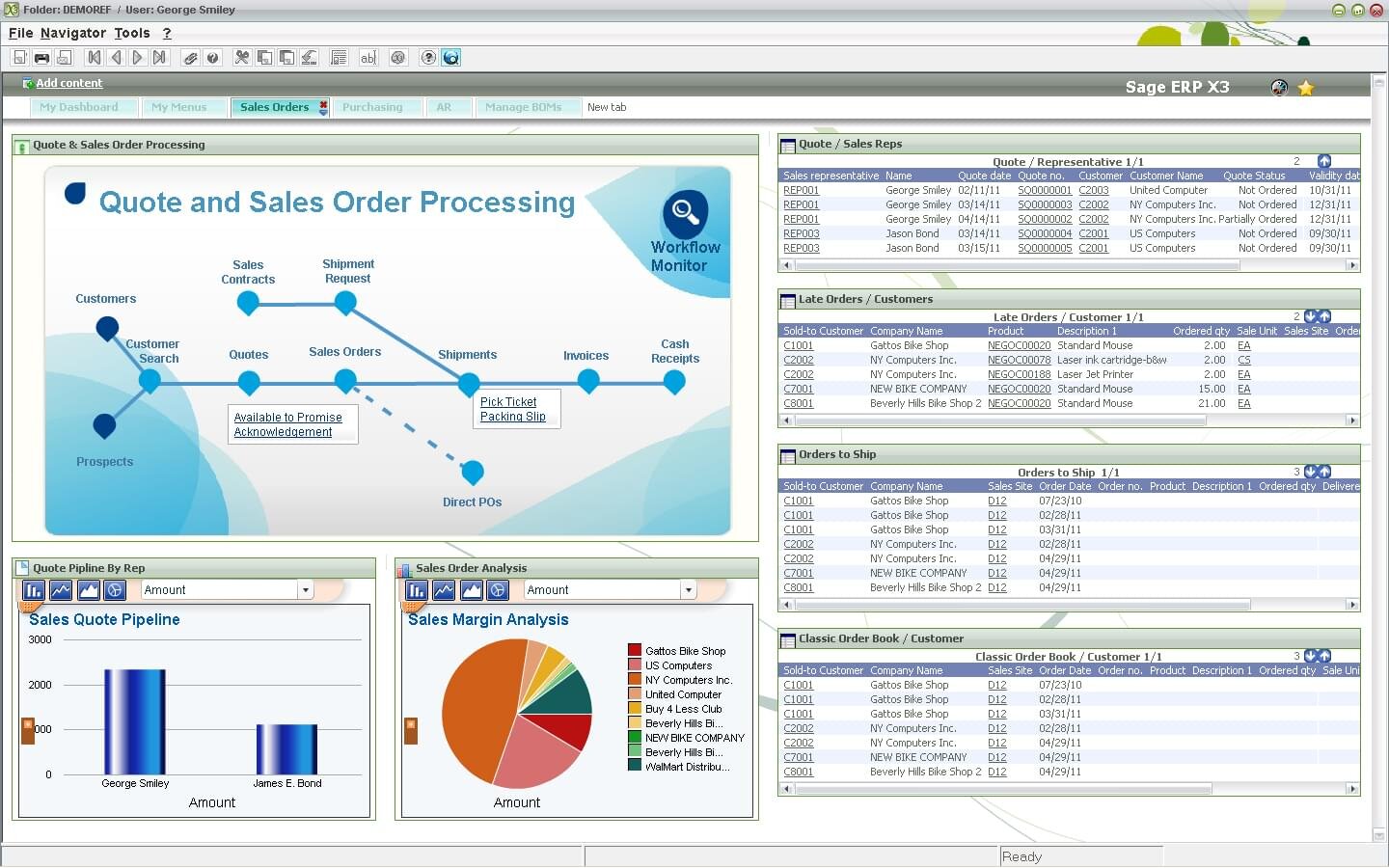
Welcome to the world of Sage Construction ERP, where managing your construction business operations has never been easier. With its user-friendly interface and comprehensive features, Sage Construction ERP helps streamline your day-to-day tasks, from project management to financial tracking. Say goodbye to manual processes and hello to efficiency with Sage Construction ERP as your trusted partner in success.
Introduction to Sage Construction ERP
Sage Construction ERP is a comprehensive management system designed specifically for construction firms to streamline their processes, improve efficiency, and maximize profitability. This software solution offers a wide range of features and tools that cater to the unique needs of the construction industry. From project management to accounting, Sage Construction ERP provides all the necessary tools to help construction companies manage their projects effectively.
With Sage Construction ERP, construction firms can easily track and manage all aspects of their projects, from initial estimating and bidding to final project completion. The software allows users to create detailed project plans, track progress, manage budgets, and monitor expenses in real-time. By providing a centralized platform for all project-related information, Sage Construction ERP helps construction firms improve communication, collaboration, and decision-making among team members.
One of the key benefits of Sage Construction ERP is its ability to integrate with other business systems, such as accounting software, payroll systems, and project management tools. This integration allows construction firms to streamline their processes, reduce duplication of work, and improve overall efficiency. By automating routine tasks and providing real-time access to critical project information, Sage Construction ERP enables construction companies to make informed decisions quickly and effectively.
Another important feature of Sage Construction ERP is its reporting and analytics capabilities. The software provides construction firms with comprehensive reports and dashboards that offer valuable insights into project performance, financial health, and overall business operations. By analyzing key performance indicators and trends, construction companies can identify areas for improvement, optimize their processes, and make data-driven decisions to drive success.
In addition, Sage Construction ERP offers mobile capabilities that allow users to access the system from anywhere, at any time. Whether on the construction site, in the office, or on the go, construction teams can stay connected and productive with Sage Construction ERP’s mobile apps. This flexibility and accessibility enable construction firms to make quick decisions, respond to changes in real-time, and keep projects on track.
Overall, Sage Construction ERP is a powerful software solution that helps construction firms manage their projects effectively, improve efficiency, and maximize profitability. By providing a centralized platform for project management, integration with other business systems, advanced reporting and analytics, and mobile capabilities, Sage Construction ERP empowers construction companies to succeed in a competitive industry.
Key Features and Benefits of Sage Construction ERP
Sage Construction ERP is a comprehensive software solution designed specifically for the construction industry. It offers a wide range of features that cater to the unique needs of contractors, builders, and project managers. Here are some key features and benefits of using Sage Construction ERP:
1. Project Management: Sage Construction ERP provides tools for managing all aspects of construction projects, from budgeting and scheduling to resource allocation and progress tracking. Users can easily create project plans, assign tasks, track expenses, and monitor project performance in real-time. This helps streamline project workflows, improve communication between team members, and ensure that projects are completed on time and within budget.
2. Financial Management: One of the biggest advantages of using Sage Construction ERP is its robust financial management capabilities. The software allows users to track expenses, generate invoices, manage payroll, and handle other financial tasks with ease. Additionally, Sage Construction ERP comes with built-in financial reporting tools that provide valuable insights into the financial health of the organization. This allows contractors to make informed decisions, identify areas for cost savings, and improve overall financial efficiency.
3. Estimating and Bidding: Sage Construction ERP includes features for creating accurate estimates and competitive bids for construction projects. Users can quickly generate cost estimates based on labor, materials, and overhead expenses, and compare multiple bids to identify the most cost-effective option. This helps contractors win more projects, increase profitability, and secure long-term business relationships with clients.
4. Resource Planning: With Sage Construction ERP, contractors can effectively manage resources such as equipment, materials, and labor. The software allows users to track resource availability, allocate resources to specific projects, and schedule tasks according to resource availability. This helps prevent overallocation of resources, minimize downtime, and optimize resource utilization for maximum efficiency and productivity.
5. Collaboration and Communication: Sage Construction ERP facilitates collaboration and communication among project team members, subcontractors, and clients. The software provides a centralized platform for sharing project documents, communicating project updates, and resolving issues in real-time. This improves transparency, reduces miscommunication, and fosters a collaborative work environment that leads to successful project outcomes.
6. Regulatory Compliance: Sage Construction ERP helps contractors comply with industry regulations, safety standards, and legal requirements. The software includes features for tracking compliance with building codes, safety regulations, and environmental laws. This helps contractors avoid costly fines, penalties, and legal disputes, ensuring that projects are completed in accordance with all applicable regulations.
In conclusion, Sage Construction ERP offers a comprehensive set of features and benefits that help contractors streamline project management, improve financial efficiency, win more bids, optimize resource utilization, enhance collaboration, and ensure regulatory compliance. By investing in Sage Construction ERP, contractors can gain a competitive edge in the construction industry and achieve greater success in their projects.
Implementation and Onboarding Process of Sage Construction ERP
When it comes to implementing Sage Construction ERP, the process typically involves several key steps to ensure a smooth transition and successful adoption of the new system. The implementation and onboarding process can vary depending on the size and complexity of the construction company, but there are some common steps that are typically followed.
The first step in the implementation process is to define the goals and objectives of the ERP system. This involves identifying what the company hopes to achieve with the new system, such as improved productivity, better project management, or more accurate financial reporting. By clearly defining these goals, the implementation team can tailor the system to meet the specific needs of the company.
Once the goals have been established, the next step is to choose a qualified implementation team. This team typically consists of project managers, IT staff, and key stakeholders from the construction company. The team will work closely with the ERP vendor to customize the system and ensure that it is properly integrated with existing systems and workflows.
Training is a critical component of the implementation and onboarding process. The construction company’s employees must be trained on how to use the new system effectively in order to realize its full potential. This training can take many forms, including online courses, in-person workshops, and one-on-one coaching sessions. The goal is to ensure that all employees are comfortable using the system and understand how it can help them in their daily tasks.
In addition to training, ongoing support is also essential during the onboarding process. The construction company should have access to a help desk or support team that can assist with any issues that arise as employees begin using the new system. This support can help address any challenges or questions that come up, ensuring a smooth transition to the new ERP system.
Finally, it is important for the construction company to regularly evaluate the success of the ERP implementation and onboarding process. This can be done through regular check-ins with employees, analyzing key performance indicators, and seeking feedback from users. By monitoring the success of the implementation, the company can make any necessary adjustments and ensure that the system continues to meet its goals and objectives.
Integration of Sage Construction ERP with other systems
Sage Construction ERP offers seamless integration with a variety of other systems to streamline processes and improve efficiency in construction projects. One of the key benefits of using Sage Construction ERP is its ability to integrate with accounting software, project management tools, and even mobile applications.
When it comes to accounting software, Sage Construction ERP can easily sync with popular platforms like Quickbooks and Xero. This integration allows for real-time data sharing between the accounting system and the ERP, ensuring accurate financial reporting and reduced errors in invoices and payments. This also eliminates the need for manual data entry, saving time and reducing the risk of errors.
For project management tools, Sage Construction ERP integrates with platforms like Procore and PlanGrid. This integration enables project managers to have access to all project-related information in one centralized location, from budgets and schedules to change orders and RFIs. This real-time data sharing enhances collaboration among team members and helps to keep projects on track and within budget.
Additionally, Sage Construction ERP can be integrated with mobile applications for on-the-go access to project data. With mobile integration, field workers can input data like time sheets, expenses, and progress updates directly into the ERP system from their smartphones or tablets. This data is instantly synced with the main system, providing real-time visibility into project status and enabling quick decision-making.
Another area where Sage Construction ERP shines in terms of integration is with CRM systems. By integrating Sage Construction ERP with CRM platforms like Salesforce, construction companies can streamline communication with clients, manage leads and opportunities, and track interactions with customers. This integration ensures that all customer data is centralized and up-to-date, leading to improved customer satisfaction and retention.
Furthermore, Sage Construction ERP can also integrate with document management systems like Sharepoint and Box. This integration allows for easy storage and retrieval of project documents, drawings, and contracts directly from the ERP system. This ensures that all project-related documents are organized and easily accessible to team members, reducing time spent searching for information and improving overall project efficiency.
In conclusion, the integration capabilities of Sage Construction ERP with other systems play a crucial role in streamlining construction processes, improving communication, and enhancing overall project efficiency. By seamlessly connecting with accounting software, project management tools, mobile applications, CRM systems, and document management systems, Sage Construction ERP empowers construction companies to work more efficiently, make informed decisions, and deliver successful projects on time and within budget.
Case Studies: Successful Implementation of Sage Construction ERP in the industry
Sage Construction ERP has been a game-changer for many companies in the construction industry, streamlining their operations and improving overall efficiency. Let’s take a look at some case studies of successful implementations of Sage Construction ERP:
1. ABC Construction Company: ABC Construction Company was facing challenges with project management and cost control before implementing Sage Construction ERP. After the implementation, they were able to track project progress in real-time, manage costs more effectively, and streamline their communication with subcontractors. This resulted in a significant increase in project profitability and client satisfaction.
2. XYZ Engineering Services: XYZ Engineering Services needed a solution to manage their growing project portfolio and improve resource allocation. With Sage Construction ERP, they were able to standardize their project management processes, track project milestones more efficiently, and make data-driven decisions based on real-time insights. As a result, they were able to complete projects ahead of schedule and within budget.
3. LMN Builders: LMN Builders struggled with manual processes and siloed systems that were hindering collaboration among departments. Sage Construction ERP helped them streamline their workflows, integrate all departments seamlessly, and improve overall communication across the organization. This led to increased productivity, reduced errors, and improved project delivery times.
4. PQR Development Group: PQR Development Group was looking for a solution to centralize their project data and improve collaboration with external stakeholders. Sage Construction ERP provided them with a comprehensive platform to manage project documents, communicate with subcontractors, and monitor project progress in real-time. This resulted in improved project transparency, enhanced stakeholder engagement, and faster decision-making processes.
5. QRS Construction Inc: QRS Construction Inc was struggling with inefficient resource management and project delays due to manual data entry processes. They decided to implement Sage Construction ERP to streamline their operations and improve project visibility. With the help of Sage Construction ERP, QRS Construction Inc was able to automate their resource scheduling, track project budgets more effectively, and optimize project timelines. This led to a significant reduction in project delays, improved resource utilization, and increased profitability.
These case studies demonstrate the transformative impact of Sage Construction ERP on companies in the construction industry. By implementing Sage Construction ERP, companies were able to improve project management efficiency, enhance collaboration among teams, and ultimately achieve greater success in their projects.
Originally posted 2025-06-27 15:00:00.